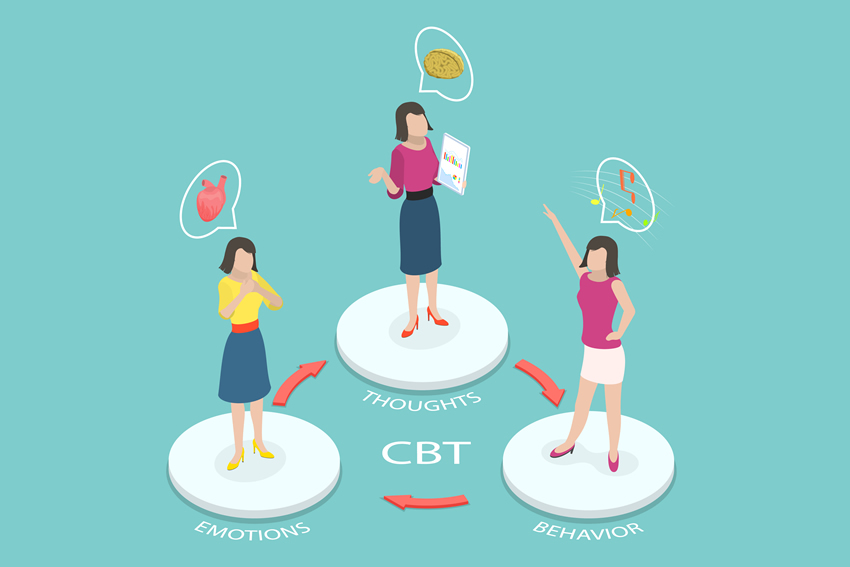
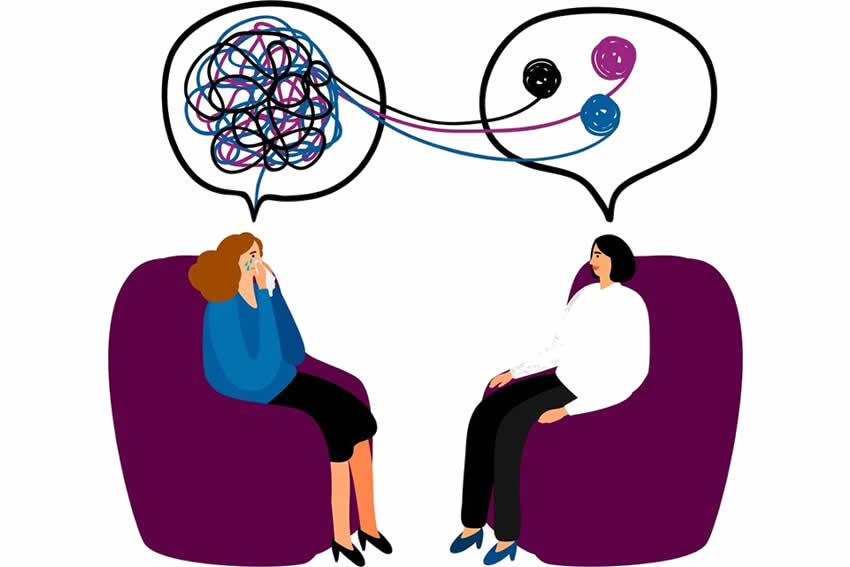
CBT is typically structured and time-limited, with a clear agenda and goals for each session. It is collaborative, meaning that the therapist and the client work together to identify problems and develop strategies for change. CBT can be delivered in individual or group settings and can be adapted to treat a wide range of mental health issues, including:
- Depression
- Anxiety disorders (e.g., generalized anxiety disorder, panic disorder, social anxiety disorder)
- Post-traumatic stress disorder (PTSD)
- Obsessive-compulsive disorder (OCD)
- Phobias
- Substance use disorders
- Eating disorders
- Insomnia
CBT has been extensively researched and has shown to be effective in treating these and other conditions, making it one of the most commonly used and recommended forms of psychotherapy.