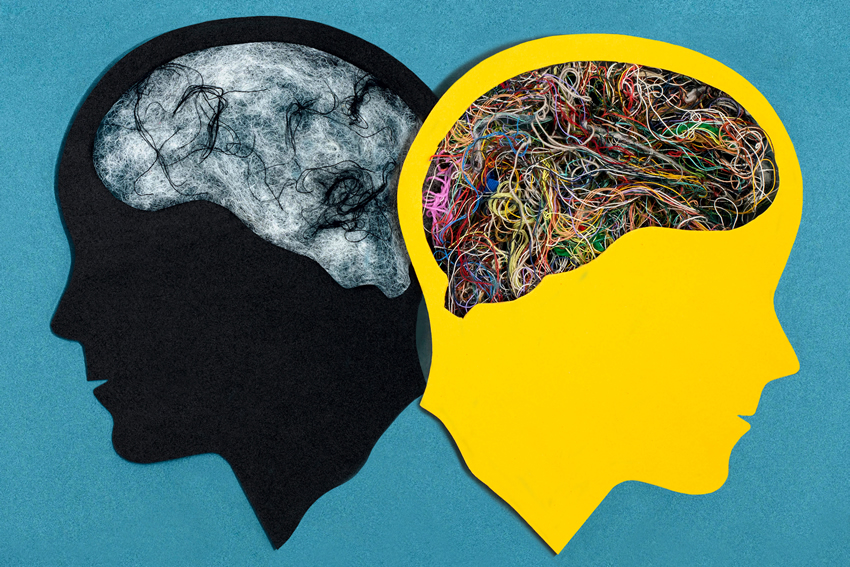
Dual Diagnosis requires a nuanced and holistic approach to treatment, recognizing the complex interplay between mental health and substance use disorders and addressing both to achieve the best possible outcomes for the individual.
What is Dual Diagnosis?
Dual diagnosis refers to the condition of having both a mental health disorder and a substance use disorder simultaneously. This term is also known as co-occurring disorders or comorbidity. Individuals with dual diagnosis require an integrated treatment approach that addresses both conditions simultaneously, as they are often interrelated and can exacerbate each other.