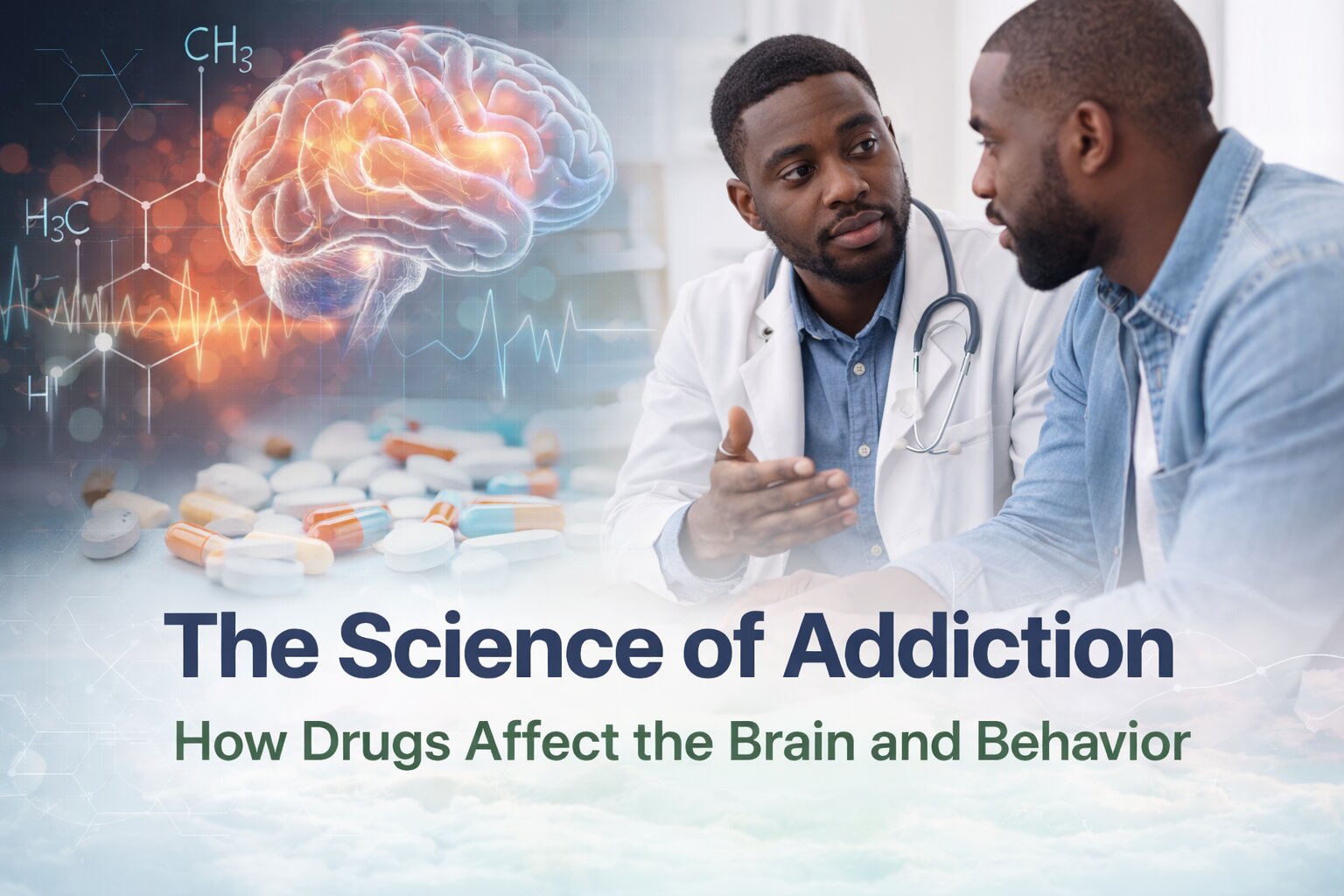
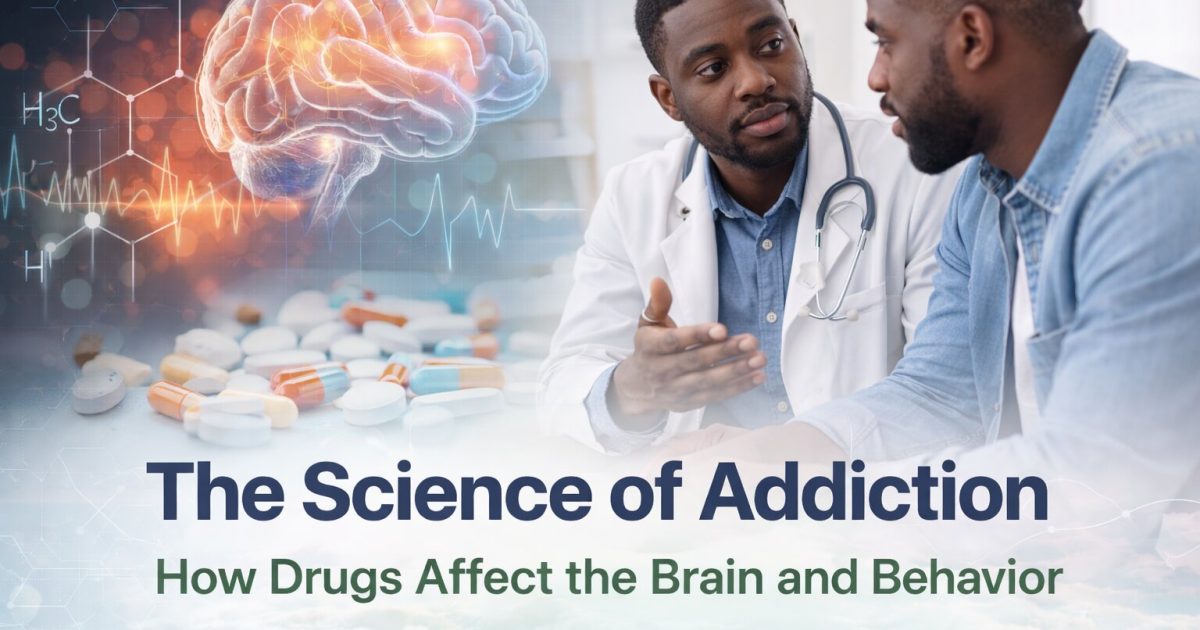
The Science of Addiction: How Drugs Affect the Brain and Behavior
Addiction is often misunderstood as a lack of discipline or willpower. In reality, it is a complex brain condition that affects how a person thinks, feels, and behaves.
At Sober Homes, we believe that understanding the science behind addiction helps reduce stigma and empowers individuals to seek the help they deserve.
What Is Addiction?
Addiction is a chronic, relapsing brain condition characterized by:
-
- Compulsive substance use
-
- Loss of control over intake
-
- Continued use despite harmful consequences
It is not simply about using drugs—it’s about how substances change the brain over time .
How the Brain Works (In Simple Terms)
The brain is a powerful communication system made up of billions of nerve cells (neurons). These cells communicate using chemicals called neurotransmitters.
One of the most important neurotransmitters in addiction is dopamine.
Dopamine is responsible for:
-
- Pleasure
-
- Motivation
-
- Reward
It helps reinforce behaviors that are essential for survival, like eating and social bonding.
How Drugs Affect the Brain
Psychoactive substances interfere with the brain’s normal communication system.
They can:
-
- Mimic natural neurotransmitters
-
- Overstimulate the brain’s reward system
-
- Disrupt normal signaling between neurons
This leads to intense feelings of pleasure or “highs,” which the brain begins to associate with the substance.
The Brain’s Reward System and Addiction
The brain is wired to repeat behaviors that feel good. This is controlled by the reward circuit.
When someone uses drugs:
-
- The experience feels intensely pleasurable
- The brain “learns” to repeat the behavior
- The brain releases large amounts of dopamine
Over time, the brain prioritizes substance use over other important activities like:
-
- Family
-
- Work
-
- Health
-
- Relationships
This is why addiction can take over a person’s life .
Why Tolerance and Dependence Develop
With repeated substance use, the brain tries to adapt.
This leads to:
Tolerance
-
- The brain produces less dopamine
-
- The person needs more of the substance to feel the same effect
Dependence
-
- The brain becomes reliant on the substance
-
- Withdrawal symptoms occur when use stops
These changes make quitting extremely difficult without support.
Why Addiction Is Considered a Brain Disease
Addiction meets the criteria of a disease because:
-
- It changes brain structure and function
-
- It has recognizable symptoms and patterns
-
- It is chronic and can relapse
Like conditions such as diabetes or hypertension, addiction:
-
- Cannot always be “cured”
-
- But can be effectively managed with treatment
What Increases the Risk of Addiction?
Not everyone who uses substances becomes addicted. Risk depends on several factors:
1. Genetics
-
- Up to 40–60% of addiction risk may be inherited
2. Environment
-
- Family dynamics
-
- Peer influence
-
- Exposure to trauma or stress
3. Method of Use
-
- Faster delivery methods (like smoking or injecting) increase addiction risk
At Sober Homes, we consider all these factors when creating personalized recovery plans.
Why Relapse Happens
Relapse is often part of the recovery journey.
This is because:
-
- Brain changes can persist even after stopping substance use
-
- Triggers (stress, environment, emotions) can reactivate cravings
There are two key concepts:
-
- Lapse → a brief return to use
-
- Relapse → a full return to previous patterns
Understanding this helps reduce shame and encourages continued recovery.
Recovery Is Possible
Even though addiction affects the brain, healing is possible.
With the right support, the brain can begin to recover, and individuals can rebuild their lives.
At Sober Homes, we provide:
-
- Structured recovery environments
-
- Evidence-based therapies
-
- Emotional and psychological support
-
- Long-term relapse prevention strategies
Final Thoughts
Addiction is not a moral failure—it is a medical condition rooted in brain science.
Understanding how drugs affect the brain helps us:
-
- Replace judgment with compassion
-
- Encourage early treatment
-
- Support lasting recovery
Start Your Recovery Journey
If you or someone you love is struggling with addiction, Sober Homes is here to help.
Reach out today and take the first step toward a healthier, more fulfilling life.