
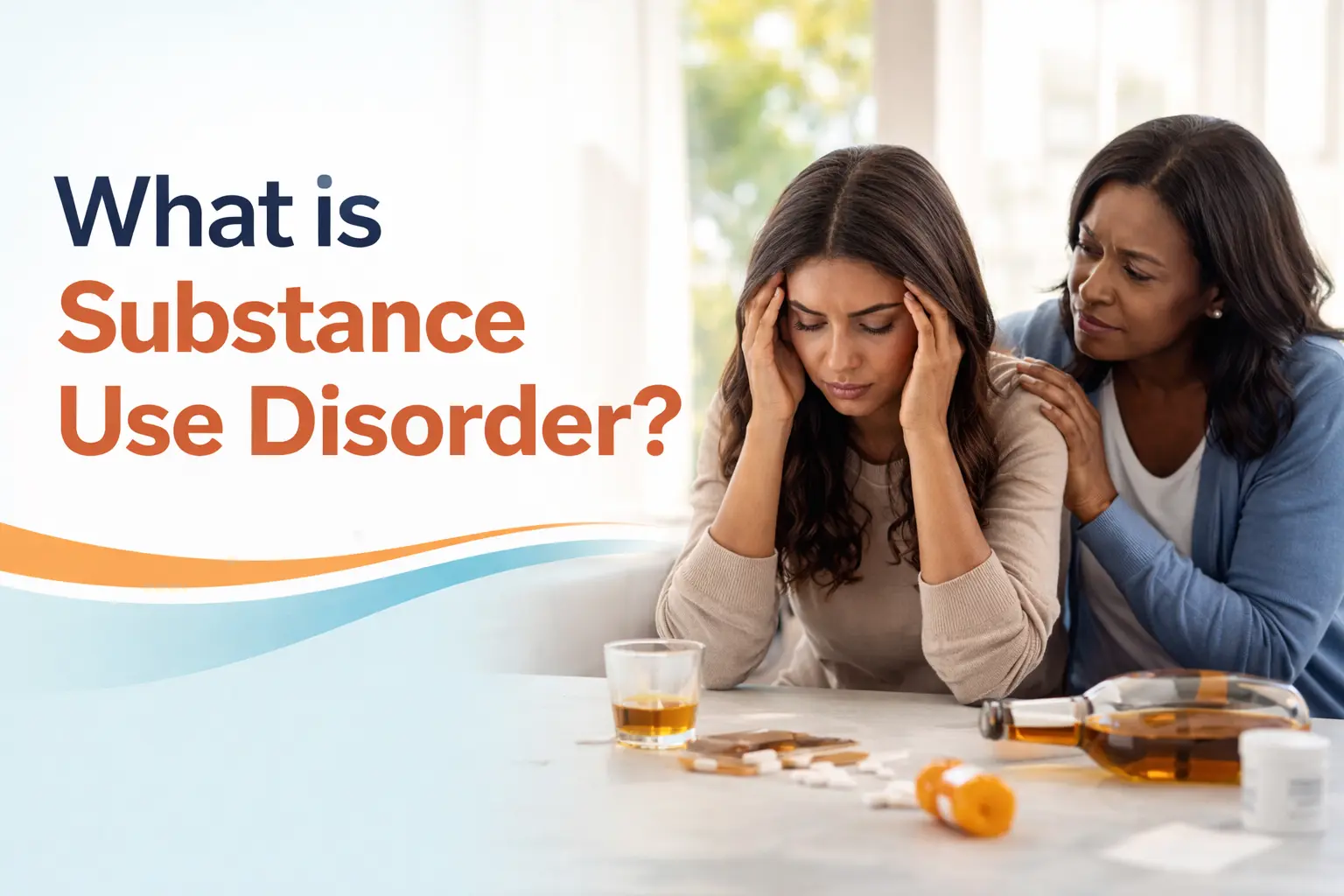
What Is Substance Use Disorder? Signs, Symptoms, and When to Seek Help
Substance use is common across the world, but when it begins to interfere with daily life, health, and relationships, it may indicate something more serious.
Understanding what SUD is, how to recognize the signs, and when to seek help can be life-changing—for you or someone you care about.
What Is Substance Use Disorder (SUD)?
Substance Use Disorder is a medical condition characterized by the problematic use of substances (such as alcohol, prescription medications, or illicit drugs) that leads to significant impairment or distress.
According to clinical guidelines, SUD is not simply about using substances—it’s about losing control over their use despite harmful consequences .
This means a person may:
Continue using even when it damages their health
Struggle to stop despite wanting to
Prioritize substance use over responsibilities, relationships, or goals
Key Signs and Symptoms of Substance Use Disorder
SUD can look different from person to person, but there are common warning signs. These are often grouped into four main categories:
1. Loss of Control
Taking larger amounts than intended
Inability to cut down or stop
Spending a lot of time obtaining or using substances
Strong cravings or urges
2. Social and Life Disruptions
Neglecting work, school, or family responsibilities
Relationship problems caused by substance use
Losing interest in hobbies or activities
3. Risky Use
Using substances in dangerous situations (e.g., driving)
Continuing use despite physical or mental health problems
4. Physical Dependence
Tolerance (needing more to get the same effect)
Withdrawal symptoms when not using
These symptoms often develop over time and can worsen without intervention .
Understanding the Progression: From Use to Disorder
Substance use doesn’t typically become a disorder overnight. It often follows a progression:
Experimental or Recreational Use
Occasional use, often social or curiosity-drivenOccasional or Circumstantial Use
Using substances to cope with stress or emotionsRegular or Intensified Use
Frequent use begins to impact daily functioningCompulsive Use (Addiction)
Substance use becomes the central focus of life
At this stage, stopping becomes extremely difficult without help .
Why Substance Use Disorder Happens
SUD is not a sign of weakness or lack of willpower. It is a complex medical condition influenced by multiple factors:
Brain changes: Substances alter how the brain processes reward, motivation, and decision-making
Genetics: A person’s risk can be partly inherited
Environment: Family, stress, trauma, and social influences all play a role
Over time, substances can change how the brain functions, making it harder to stop even when someone wants to.
When Should You Seek Help?
It may be time to seek professional help if you or someone you know:
Cannot stop using despite trying
Experiences withdrawal symptoms
Has increasing tolerance
Faces problems at work, school, or home due to substance use
Continues using despite health or emotional harm
You don’t need to wait until things get severe. Early support leads to better outcomes.
Treatment and Recovery Are Possible
The good news is that Substance Use Disorder is treatable. Like other chronic conditions, it can be managed with the right support.
Treatment may include:
Medical detoxification
Counseling and therapy
Behavioral interventions
Support groups and long-term recovery planning
Recovery is not always a straight line, but with the right help, it is absolutely achievable.
Final Thoughts
Substance Use Disorder affects millions of people worldwide, but many never seek help due to stigma or lack of awareness.
Recognizing the signs early—and understanding that addiction is a health condition, not a moral failing—can make all the difference.
If you or someone you care about is struggling, reaching out could be the first step toward recovery.
Need Help?
If you’re concerned about substance use, consider speaking to our qualified professionals at 0792002060 or reaching out to our center at Ngong, Ololua. Support is available, and you don’t have to go through it alone.